Airdrop on Polygon
Polygon Token Multisender
Polygon Multisender: airdrop one token to thousands of wallets where gas for a large list costs cents.
No active airdrop yet
Configure the recipients above and click Send Airdrop. Transaction progress will appear here.
The cost of multisender is 5 POL per wallet + GAS.
The airdrop will start and will take some minutes to complete.
Check here a whole blog post about how to make an Airdrop on Polygon
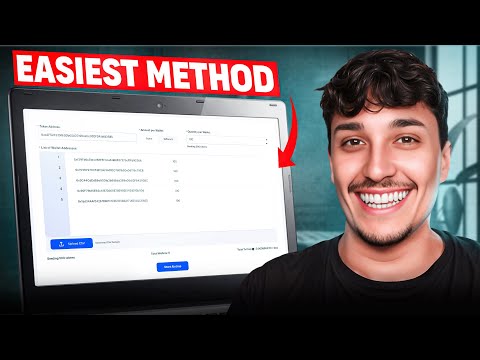
How to use Polygon Multisender
- Connect your Polygon wallet
- Introduce the token quantity each wallet will receive
- Write/Upload the list of addresses
- Verify all the information is correct
- Click on start airdrop and accept the transaction
- Wait until your airdrop has finished!
Benefits of Token Multisender
One transaction, not hundreds
the batch pays Polygon's per-transaction cost once instead of once per recipient
Real gas savings
bundling ERC-20 transfers is what makes a large airdrop affordable on Polygon
Audited by Halborn
non-custodial, tokens go straight from your wallet to each recipient
Typos caught before you pay
every address is validated in the browser, not on-chain
CSV or paste
upload a holder export or type the list in, with a custom amount per row
Proven at scale
over 270,000 wallets paid through Smithii's multisenders
If you need more help contact our team
Got questions?
If you need more help contact our team
Gas is what scales in an airdrop, not the per-wallet fee. On Polygon a batch costs cents, so a ten-thousand-wallet list becomes a decision about your token rather than about your budget, which is why large distributions keep landing here.
Ten thousand recipients and beyond is routine here. The tool splits the list into batches and sends them in sequence, and Polygon's fees keep that affordable. Each batch is a separate signature, so you can follow the progress and stop between batches if something looks wrong.
It is non-custodial: the contract moves tokens out of your wallet to the addresses you listed, and it can never touch anything else you hold. The contract is audited by Halborn and every batch settles publicly on PolygonScan, so the distribution is verifiable line by line after the fact.
Two columns (address and amount), one recipient per row, pasted in or uploaded as CSV. No header row is required. Every address is validated before anything is signed, so a typo is caught in the browser rather than paid for in gas.
A small fee in POL per recipient, plus the network gas for each batch. The form totals both before you sign, so you see the whole cost of the airdrop rather than discovering it batch by batch.
A ERC-20 token cannot be moved by a contract unless you allow it, so every airdrop is approve-then-send. The approval names the multisender and an allowance; the batches spend against it. Check the amount you grant. An unlimited allowance stays live afterwards, and revoking it is a separate transaction on PolygonScan.
From a snapshot. The Snapshot tool exports every holder of a token or NFT collection with their balance as a CSV, which drops straight into this form. Adjust the amounts and send.
Invalid addresses are flagged and dropped before submission, so no gas is spent on them. If a batch fails on-chain the tokens stay in your wallet; the tool reports which batches settled and which did not, and you can resend the remainder.
Where a large holder list stops being expensive
The per-wallet fee is the small part of an airdrop; the gas is what scales. On Polygon a batch costs cents, so a list of ten thousand recipients is a decision about the token rather than about the budget. That is why most large distributions end up on a chain like this one.
Where the recipient list usually comes from
Most airdrops go to a list somebody already holds: a snapshot of token holders, an NFT collection, a whitelist exported from a form. Any of those can be pasted or uploaded as a CSV with an address and an amount per row. If you do not have the list yet, take a holder snapshot first and feed its export straight into this form.
What the approval actually authorises
An ERC-20 cannot be moved by a contract unless you allow it first, so the flow is always approve-then-send. The approval names the multisender contract and an allowance; the batches spend against it. It is worth checking the amount you grant. An unlimited allowance stays live after the airdrop, and revoking it is a separate transaction on PolygonScan.
Watch how it works